Maximize Your Home's Capacity: Innovative Transformation Inspiration for Every Room
The notion of tapping into a home's possibilities is increasingly pertinent in today's design field. Innovative remodeling ideas can reshape each room into a harmonious blend of design and utility. From open layouts to dual-purpose pieces, the potential are vast. Homeowners are prompted to investigate how strategic modifications can enhance their living spaces. What specific strategies can build a more inviting and efficient home setting? The answer lies in the elements of each room's potential.
Updating Your Living Room for Ease and Style
What strategies can one use to convert a living room into a space that expresses both comfort and style? A deliberate approach begins with selecting the right furniture. Plush seating and decorative pieces should promote relaxation while showcasing personal taste. Layering textures through throws and cushions adds warmth and depth.
Selecting a color palette that communicates serenity and sophistication can strengthen the atmosphere. Gentle, neutral hues can harmonize with vibrant accent colors, building a harmonious environment.
Lighting is indispensable; a mix of ambient, task, and accent lighting can create the desired mood.
Artistic elements, including wall art or sculptures, add character while decorative rugs ground the arrangement.
To sum up, integrating natural elements, like plants, introduces life and enhances air quality. By combining these elements, one can create a living room that is not merely eye-catching but also a pleasant place for family and friends.
Building a Functional and Gorgeous Kitchen
During the redesign of a kitchen into a attractive and practical space, one must underscore both performance and visual appeal. Expert kitchen composition depends on a purposeful organization that increases effectiveness, such as the classic work triangle combining the stove, sink, and refrigerator. Leveraging open shelving can achieve a sense of spaciousness while facilitating easy access to commonly used items.
Integrating long-lasting materials, like quartz countertops and ceramic tile, improves aesthetics and also provides lasting quality. A fashionable backsplash can act as a centerpiece, offering an opportunity for personal expression.
Lighting functions as a critical component; multilayered lighting, merging ambient, work, and highlight luminaires, can illuminate the area while adding comfort. Additionally, integrating intelligent kitchen devices streamlines cooking processes, making the kitchen more user-friendly. By combining design with functionality, homeowners can design a kitchen that is both a culinary haven and a inviting gathering spot.
Reimagine Your Bathroom Into a Spa Refuge
Remaking a bathing space into a spa retreat can elevate daily routines into windows of calm. Incorporating luxurious shower experiences and soothing color palettes creates an inviting atmosphere that promotes quietude. This approach not only enhances aesthetics but also contributes to overall well-being.
Luxurious Shower Experiences
When homeowners try to establish a personal sanctuary, premium shower amenities have become a key element in modern bathroom design. These enhancements focus on comfort and indulgence, showcasing large walk-in showers supplied with rainfall showerheads and body jets that echo a spa-like setting. Superior finishes, such as natural stone or porcelain tiles, enhance the overall style and feeling of the space. Installing steam options can amplify relaxation, while integrated benches furnish both convenience and pleasure. Atmospheric lighting, such as dimmable LED fixtures, strengthens the calm atmosphere, permitting homeowners to modify their experience. Furthermore, state-of-the-art technology, like smart regulation for temperature and water flow, assures a personalized shower experience that meets individual preferences, making daily routines into moments of complete indulgence.
Tranquil Color Palettes
To establish a spa-like escape within the bathroom, selecting the optimal color palette is essential. Soft, muted tones such as soft whites, gentle grays, and pale blues can evoke tranquility, while earth-inspired shades like sandy beige or soft greens provide a anchoring effect. These colors not only amplify natural light but also form an sense of airiness, key for relaxation. Accent colors, such as deep navy or rich charcoal, can be applied judiciously to contribute depth without overwhelming the senses. Textured finishes, like matte or satin, can further complement the restful color scheme. Incorporating these colors through wall treatments, flooring and wall finishes, and accessories makes the bathroom into a peaceful sanctuary, encouraging a calming escape from the daily hustle and bustle.
Making the Most of Room in Your Home Office
Many homeowners face the challenge of building an efficient workspace within limited square footage. To address this issue, clever design solutions can markedly enhance functionality. First, incorporating multi-use units, such as a desk that doubles as storage, can maximize space. Wall-mounted shelves provide essential storage without taking floor area, while a foldable desk can create flexibility for varying work needs.
Maximizing height by means of tall bookcases and wall organizers can maintain supply organization and accessible. Moreover, going with light color palettes can visually expand the room, creating it a more open appearance.

Finally, integrating daylight by carefully positioned windows or employing reflective surfaces can improve the overall atmosphere, increasing productivity. By applying these innovative ideas, homeowners can transform their home office into an well-organized, motivating space that optimizes every square inch.
Enhancing Outdoor Areas for Rest and Enjoyment
Creating engaging outdoor spaces can greatly enhance a home's attractiveness for relaxation and entertainment. Homeowners can reconstruct their backyards into calm retreats by introducing comfortable seating, such as lounge chairs and hammocks, which allow relaxation and comfort. Putting in a fire pit or outdoor fireplace can create a pleasant atmosphere for gatherings, extending the usability of the space into cooler evenings.
Integrating natural elements through well-placed planters or a wall-mounted garden can bring life and color to the area. For those who love cooking outdoors, a built-in grill or backyard cooking station enhances functionality and invites culinary creativity. Additionally, installing ambient lighting, such as pendant lights or lanterns, can create an enchanting atmosphere after sunset.
Lastly, integrating practical design options, like a pergola or gazebo, affords outdoor protection, enabling outdoor spaces to remain enjoyable no matter what the weather. These improvements equally heighten aesthetics but also generate memorable experiences with family and friends.
Advanced Containment Methods to De-clutter Your Home
Boosting accessible space in a home can greatly contribute its complete functionality and comfort, just as improving outdoor areas does for relaxation. Innovative organizational methods play a pivotal function in achieving this goal. Utilizing height dimensions is one effective strategy; wall-mounted shelves and cabinets can maximize living area while supplying generous storage. Versatile items, such as storage benches with secret compartments or beds with built-in storage compartments, offers both utility and style.
Additionally, unused spaces, like staircases and corners, can be converted into organizational sanctuaries with tailored shelving or hidden drawers. Incorporating organized containers and organizers within closets supports organization and accessibility. For kitchens, consider sliding pantry racks that make use of tight areas. By integrating these creative storage solutions, homeowners can organize their living environments, enhancing both visual appeal and functionality, ultimately creating a more serene and orderly home atmosphere.
Frequently Inquired Topics
What Is the Standard Investment of a Home Upgrade?
The typical expense of a home remodel varies considerably, typically ranging from $15,000 to $75,000, depending on the scope of the project, location, and selected materials. Homeowners should budget accordingly to ensure successful renovations.
What factors should I think about when selecting colors for my residence?
Deciding on the proper colors for a home involves considering natural light, installed furniture, and individual preferences. Creating a cohesive palette that mirrors one's sensibility and evokes desired emotions is paramount for realizing a harmonious atmosphere.
What Positive Outcomes Result from Hiring a Professional Designer?
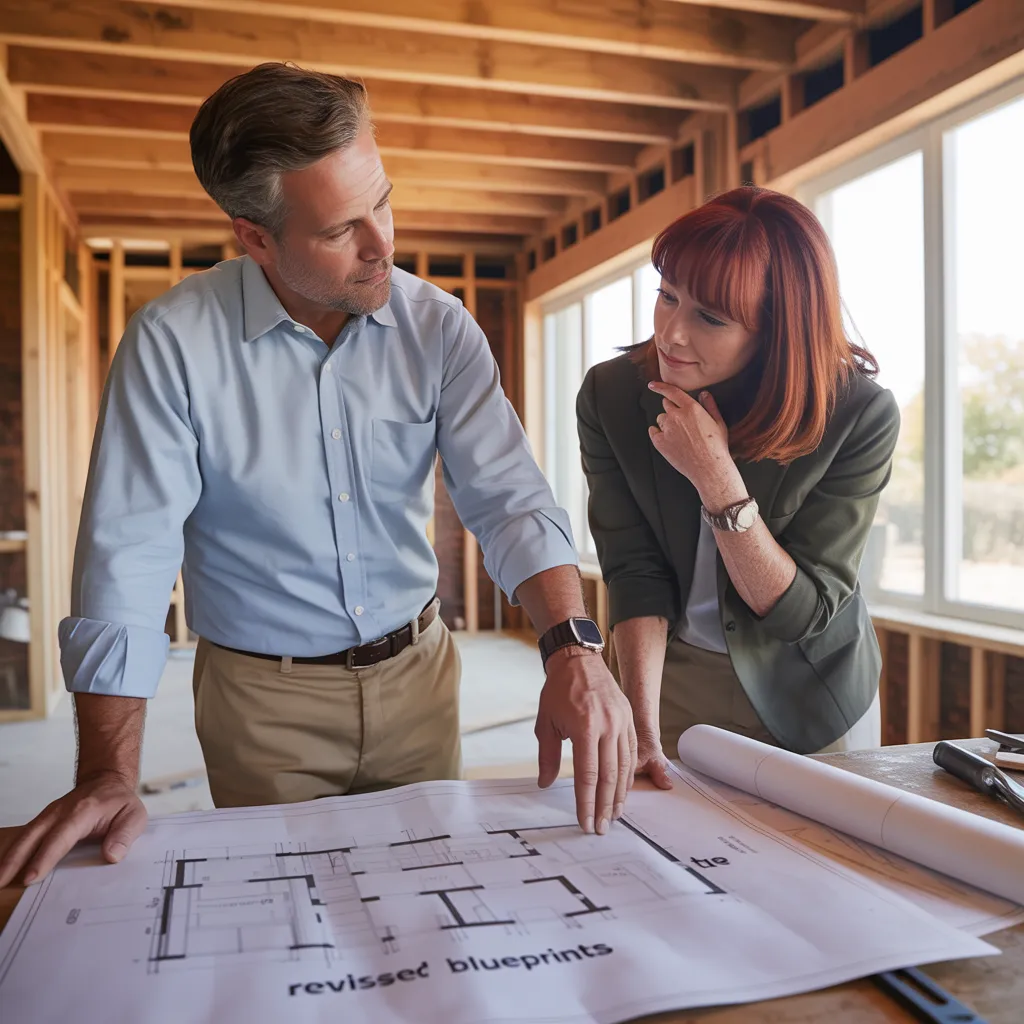
Hiring a professional designer offers knowledge in visual appeal, functionality, and space planning. They simplify the renovation workflow, provide access to resources, and guarantee projects are completed within budget and timeline, improving overall satisfaction and value.
What Methods Can Help Me Optimize My Home's Energy Efficiency During Reconstruction?
Improving a home's energy efficiency during renovation can be achieved by incorporating high-efficiency equipment, strengthening thermal protection, installing high-performance glass, using eco-friendly resources, and deploying intelligent automation systems that maximize energy consumption and reduce waste.
Which Permits Are Required for Home Renovation Endeavors?
Property owners generally require building permits, electrical permits, plumbing permits, and sometimes zoning permits when undertaking remodeling projects. Local regulations vary, therefore consulting with the municipal office or a contractor professional guide confirms full adherence to required guidelines.